Discover the Timeless Charm of First Addition
First Addition is one of Lake Oswego's oldest neighborhoods, platted in the late 1800s by the Oregon Iron Company as housing for its workers. The company laid it out on a grid angled off the cardinal directions to follow its own property lines — a quirk still visible on any map today, and the reason these streets don't line up with the rest of the city. Short blocks and tree-lined streets make it one of the most walkable parts of Lake Oswego.
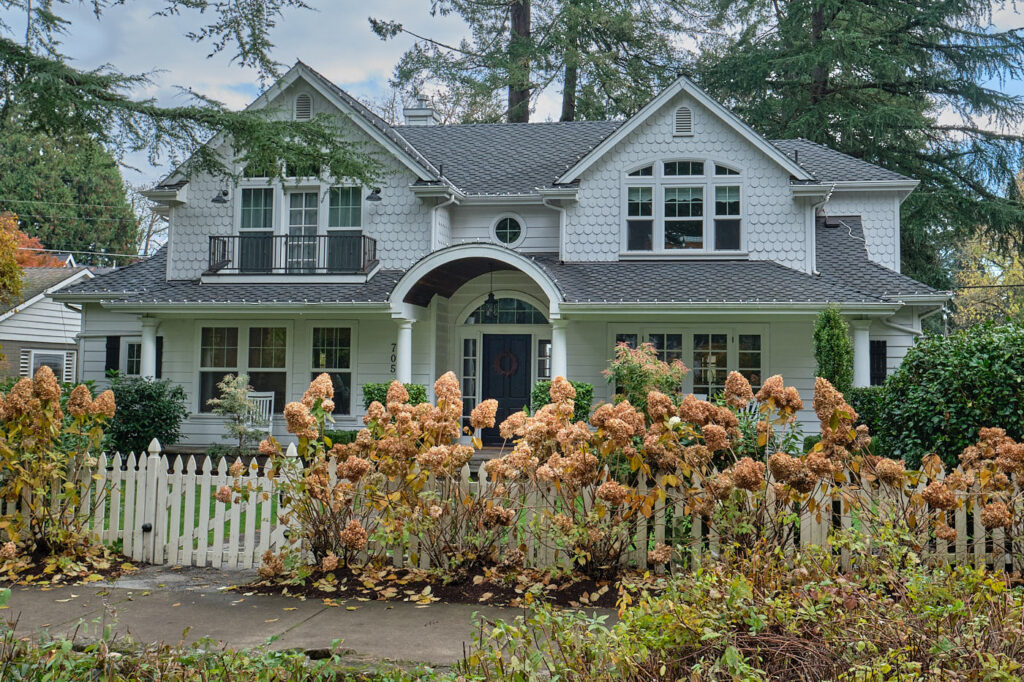
First Addition is within walking distance of downtown Lake Oswego, where you can find a variety of shops, restaurants, cafes, and cultural venues. Oswego Lake is privately held, though the City now allows public entry for non-motorized craft — paddleboards, kayaks — at Lower Millennium Plaza Park. That's separate from a private lake easement, which attaches to specific properties rather than to the neighborhood. Worth confirming in writing on any home where lake use matters to you.
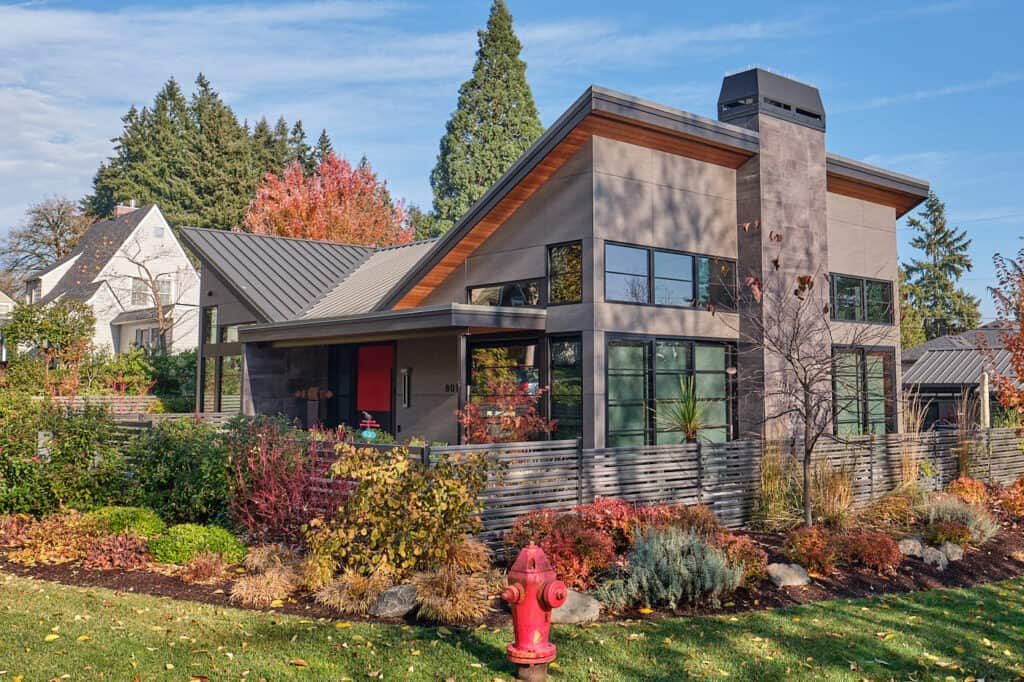
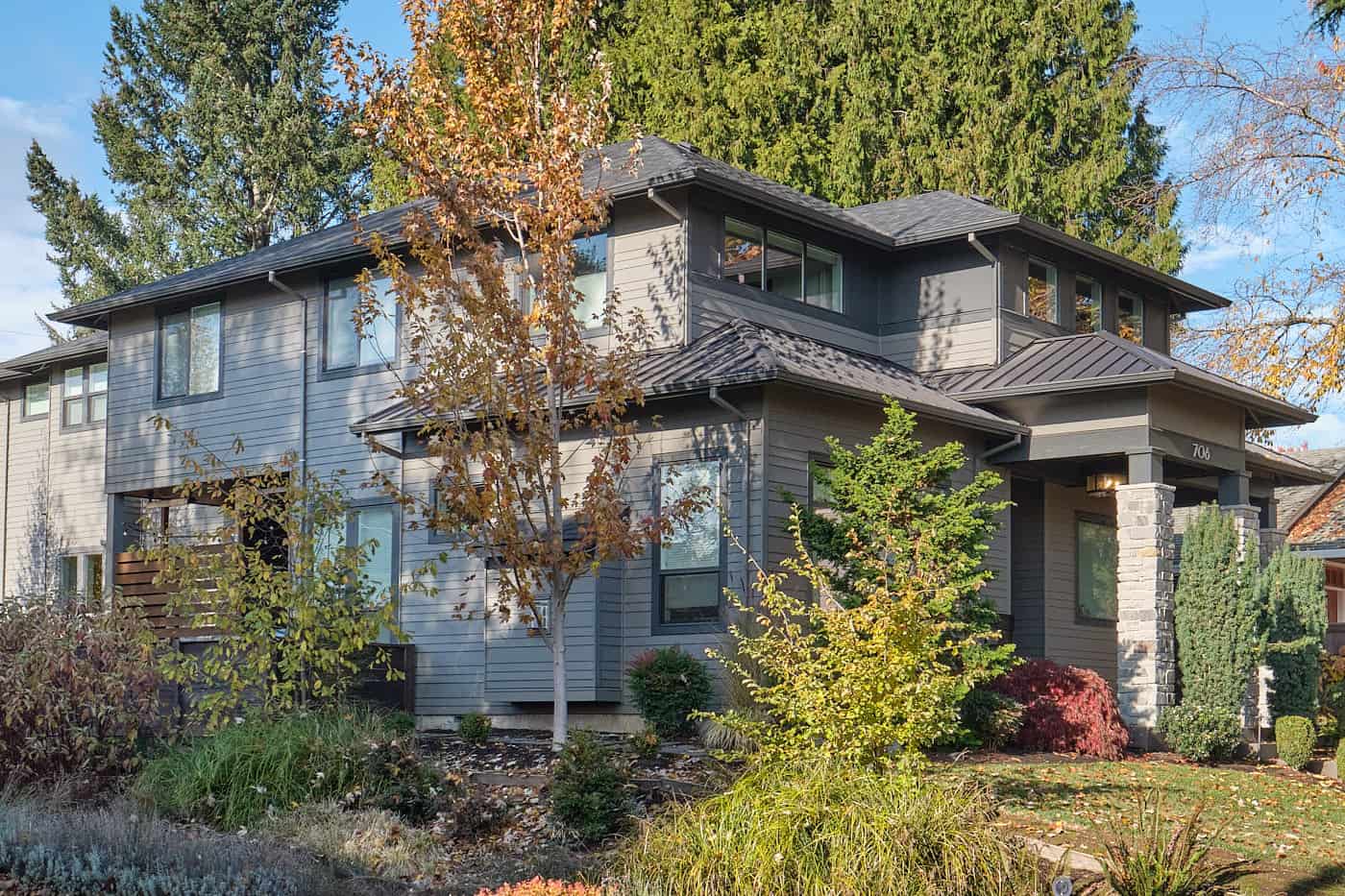
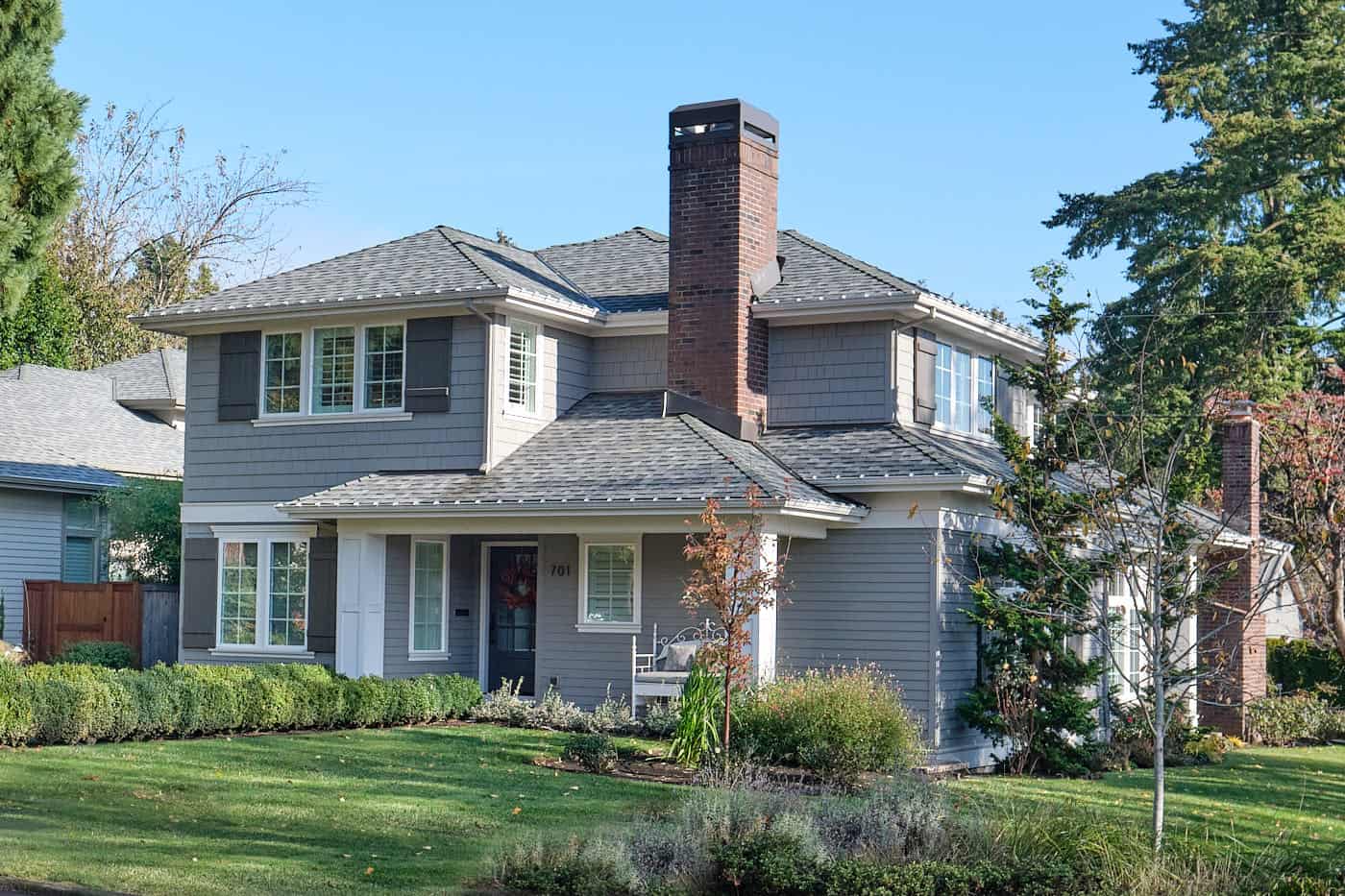
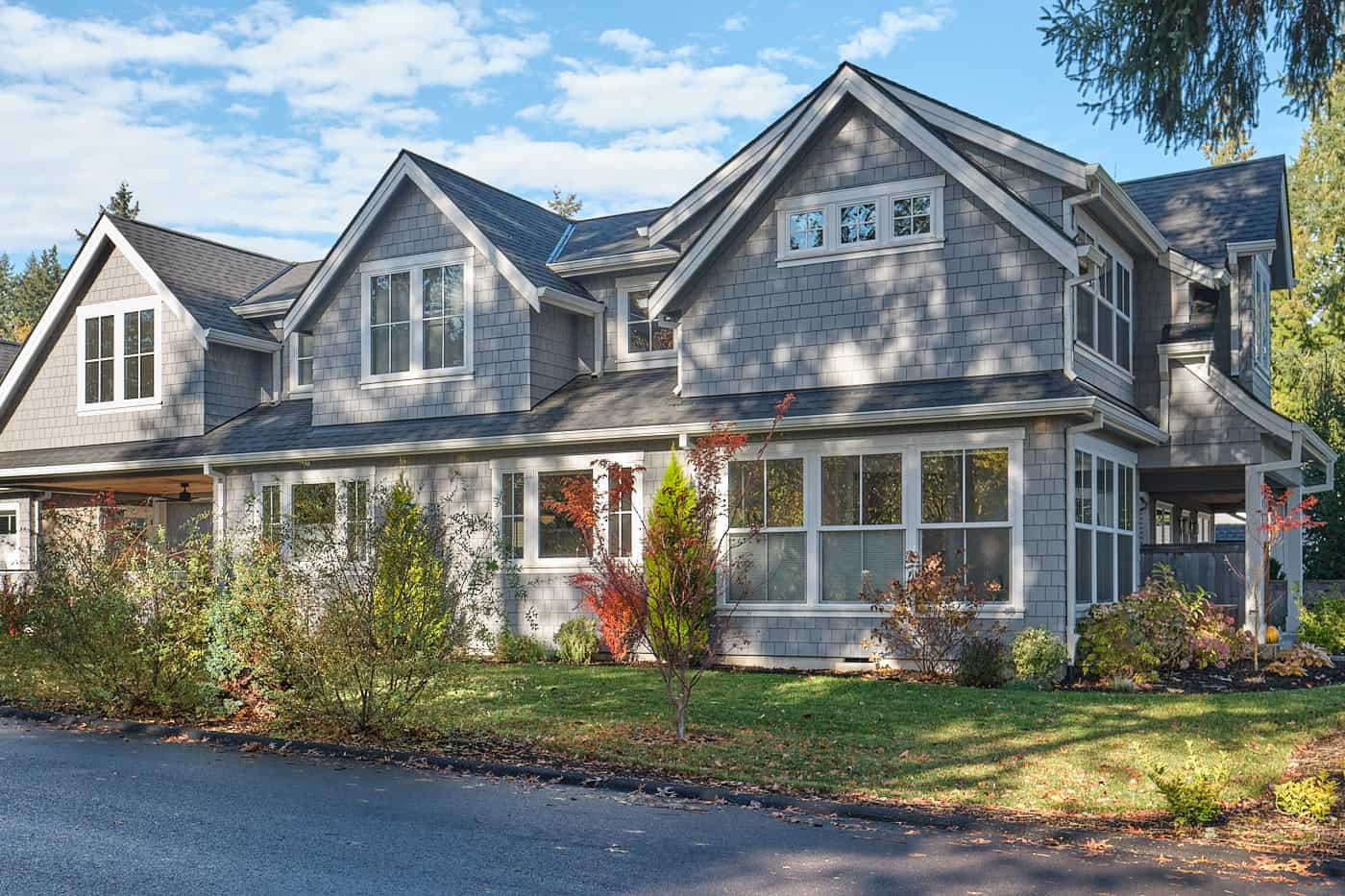
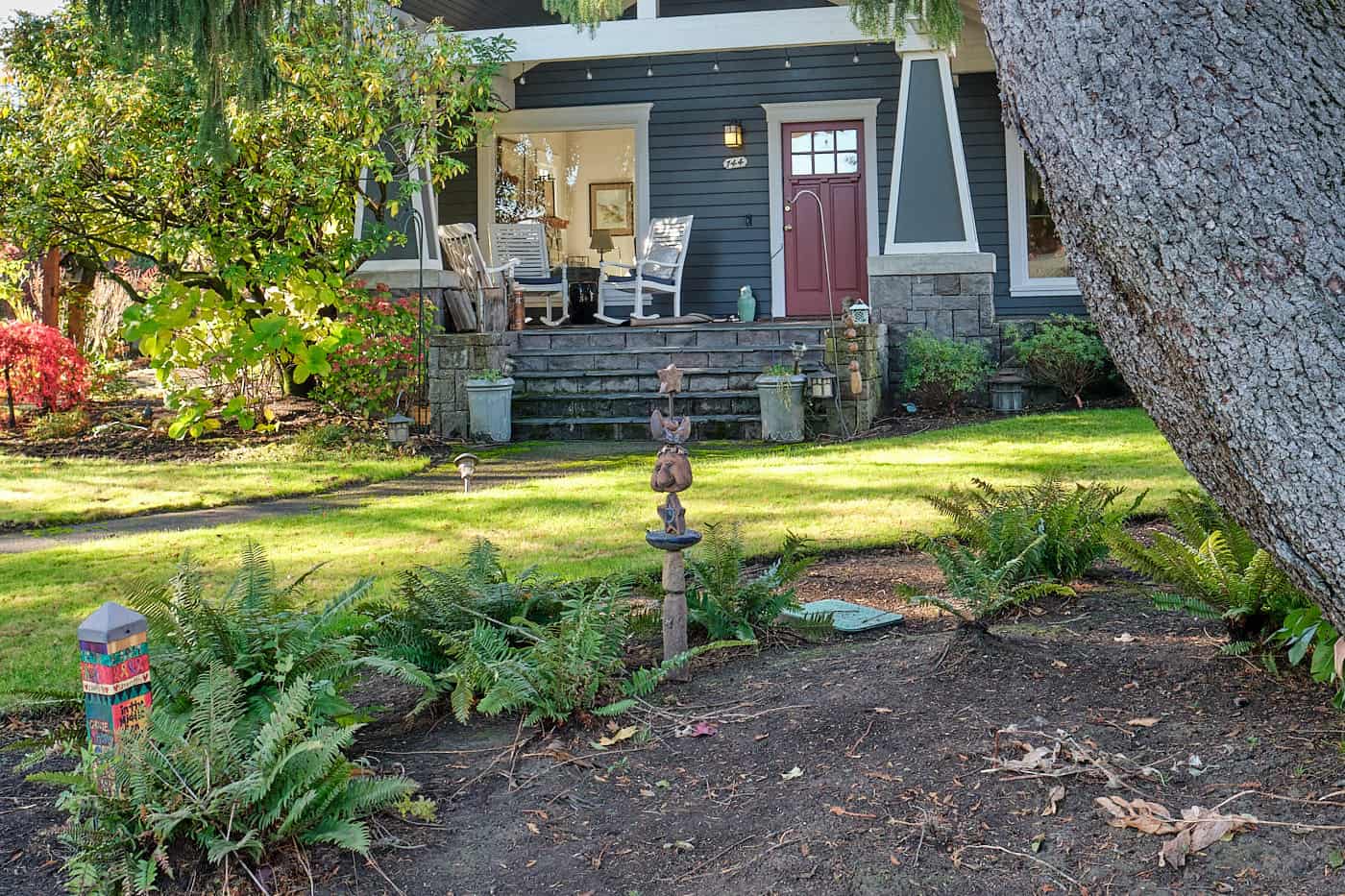
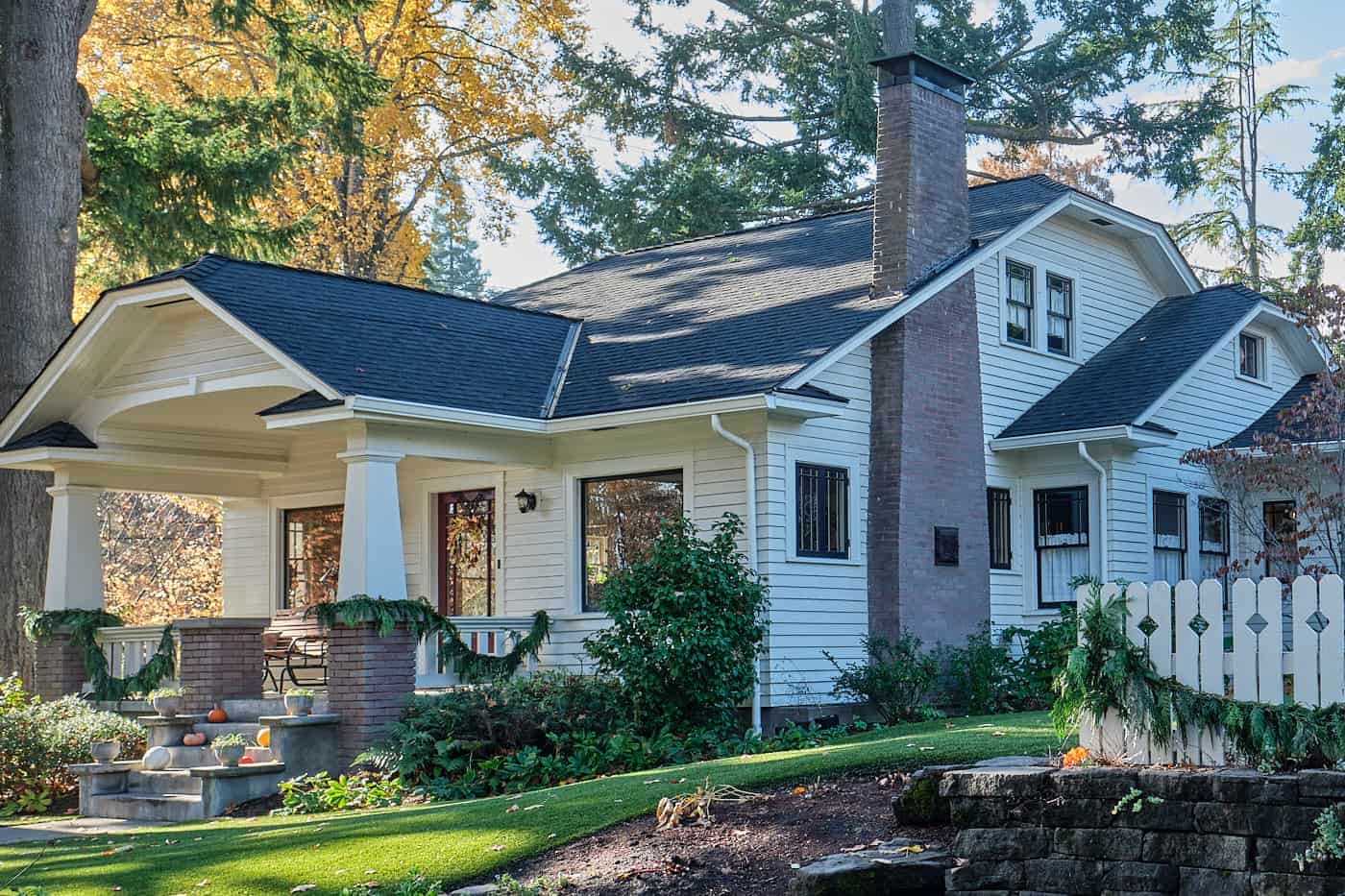
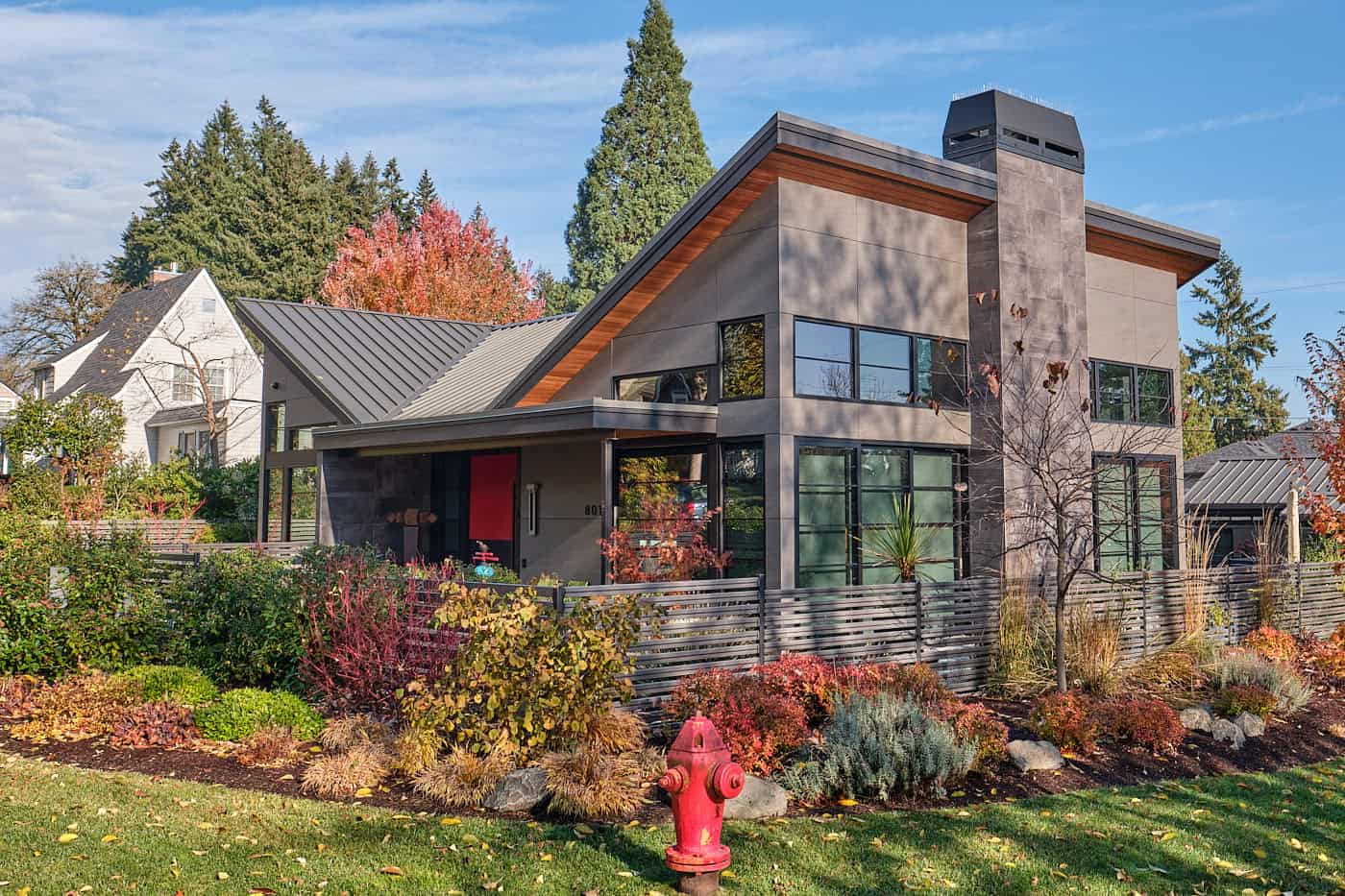
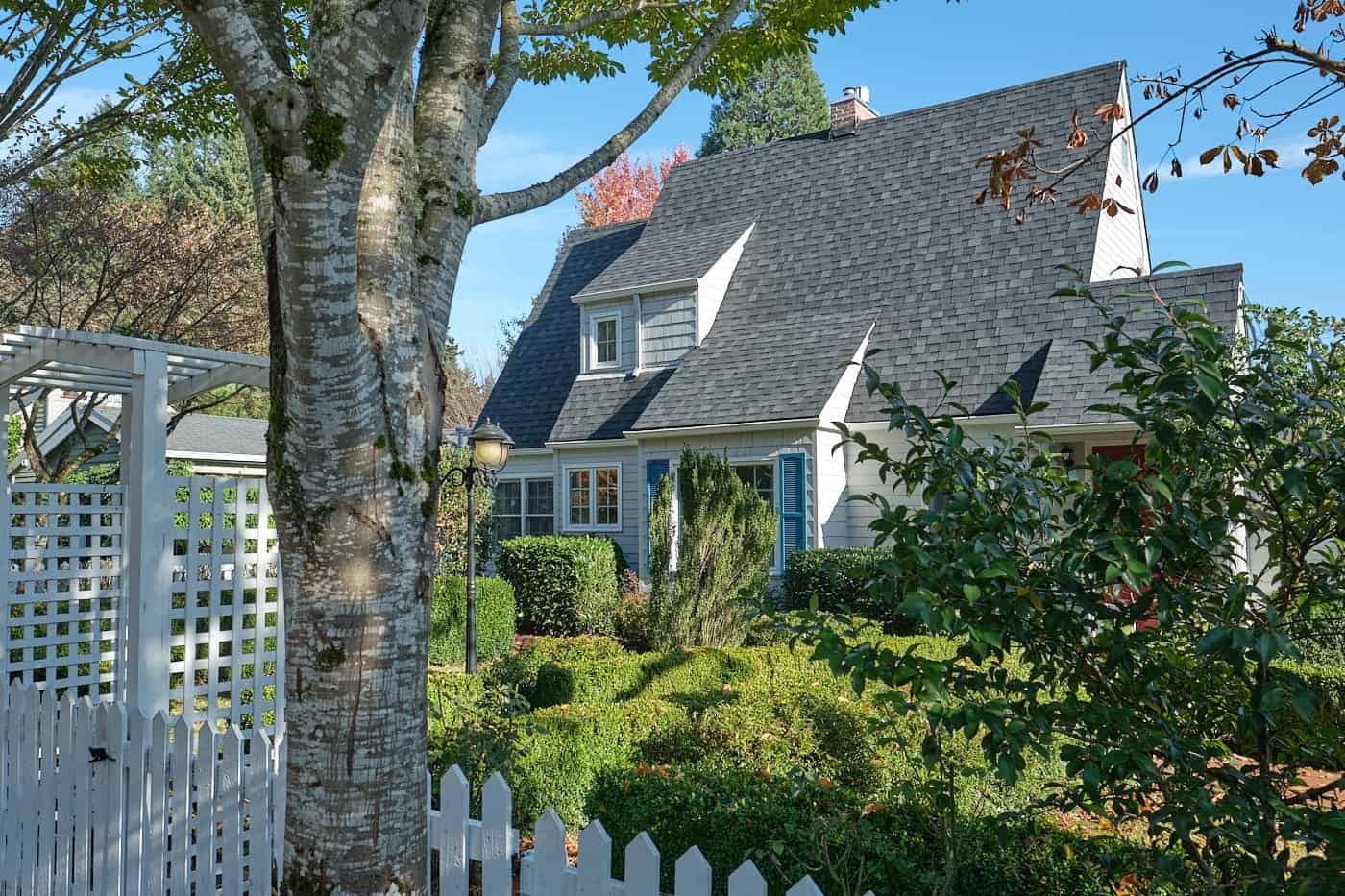
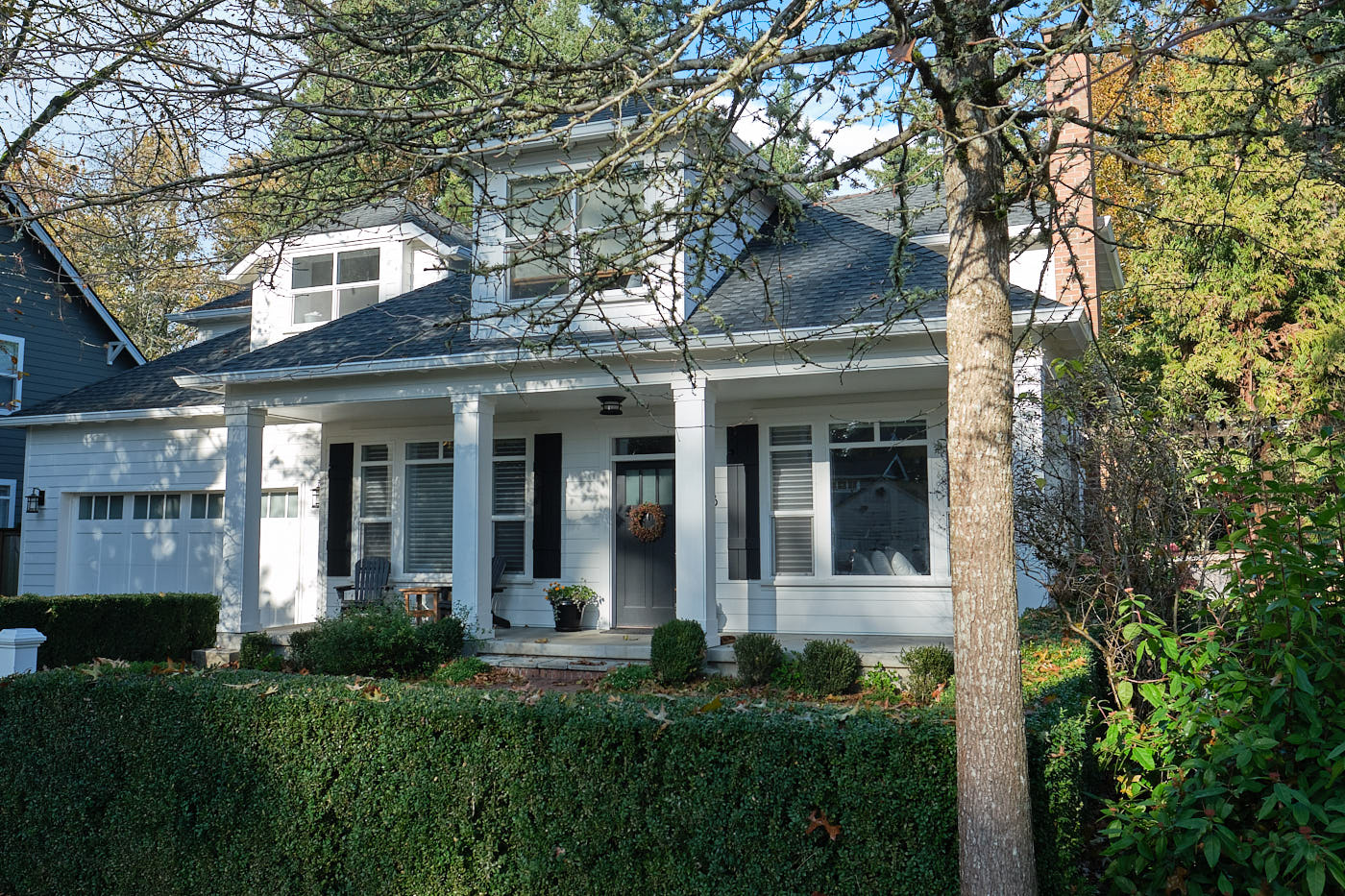
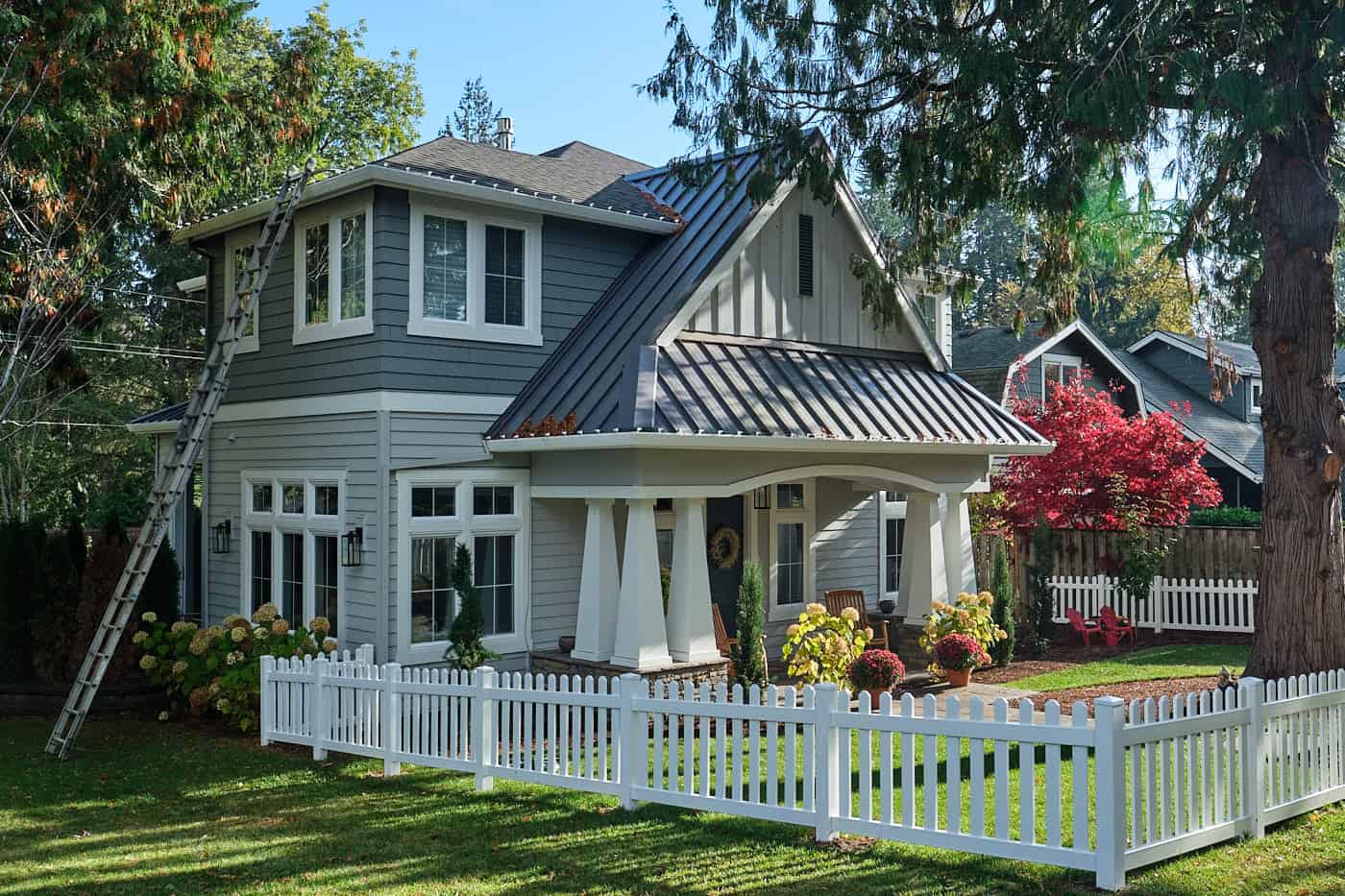
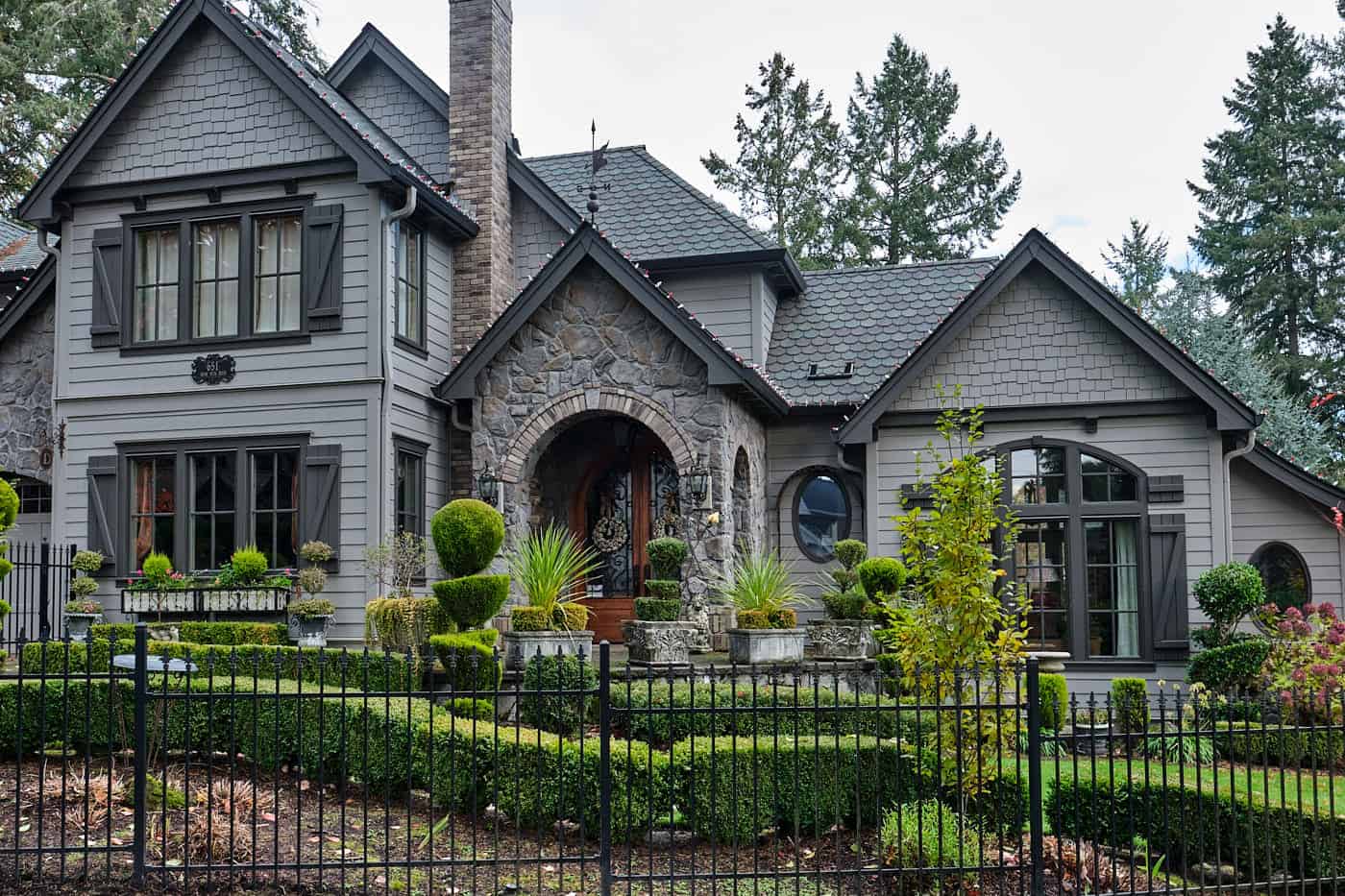
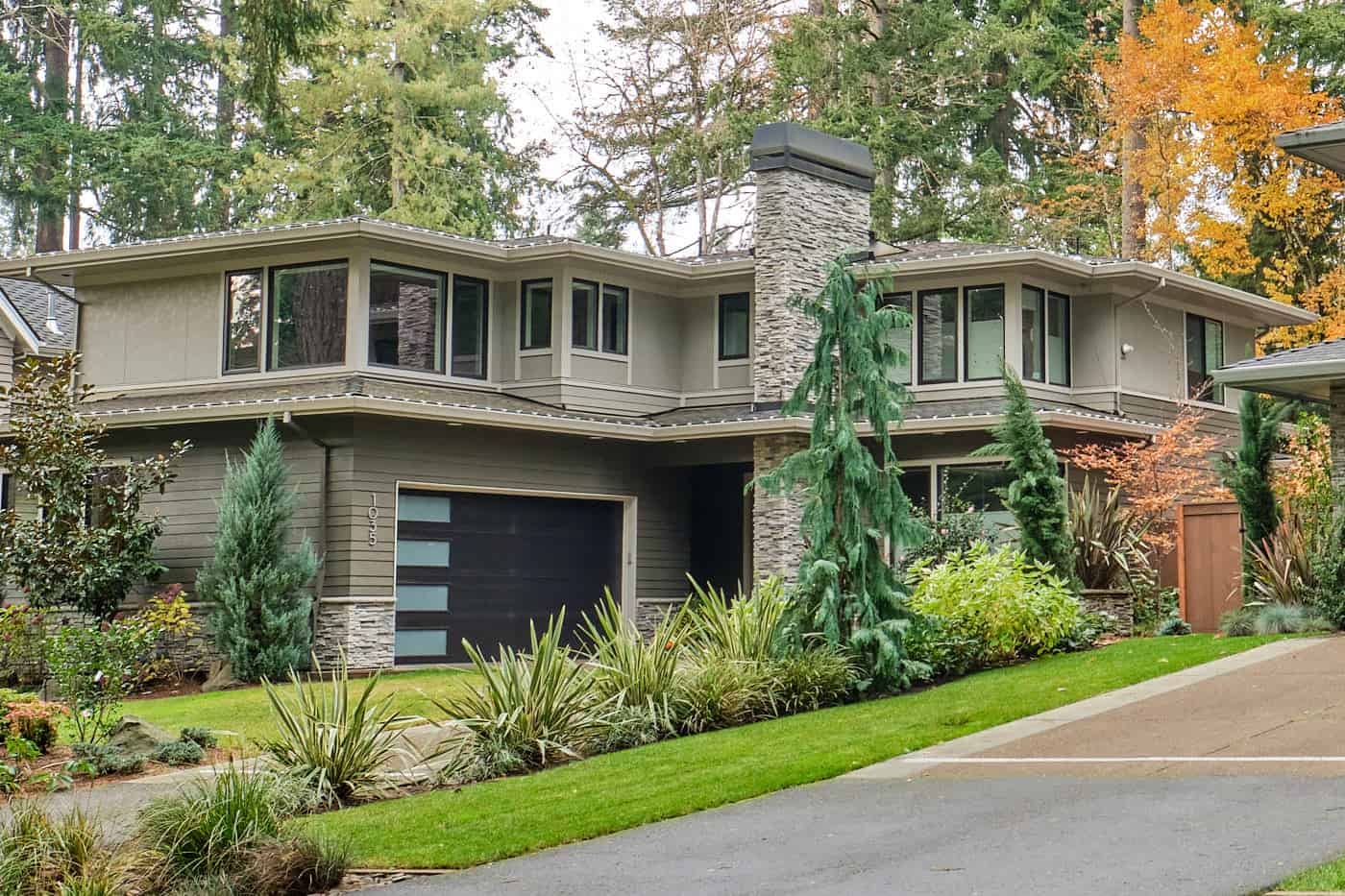
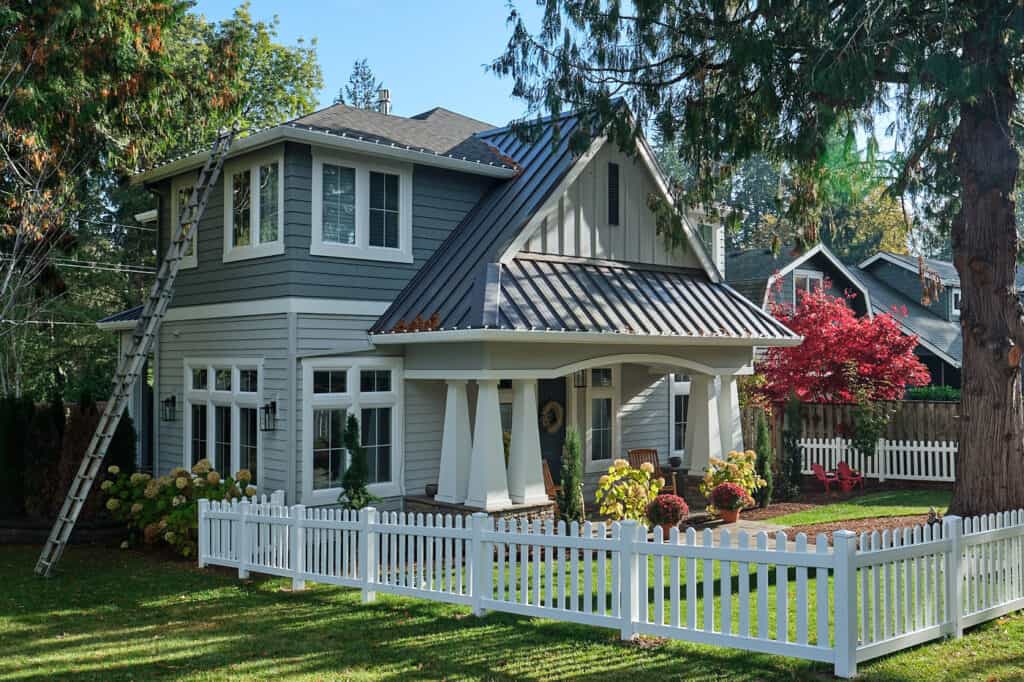
What you'll find on the ground is newer than the history suggests. Most of the original worker cottages are long gone, replaced over the decades by custom homes and substantial renovations on the same compact lots. A handful of period buildings remain — churches, schools, and scattered residences in Craftsman and Tudor Revival styles — but the neighborhood today reads as one of the most polished residential pockets in the city rather than a preserved historic district. First Addition has an active neighborhood association, and the Lake Oswego Preservation Society works to document and promote the area's history.
If First Addition sounds like a fit, we're happy to talk it through — no pitch, no pressure. To see what's currently available, browse Homes for Sale in Lake Oswego. For more on the wider city, see our Lake Oswego Neighborhood Guide.
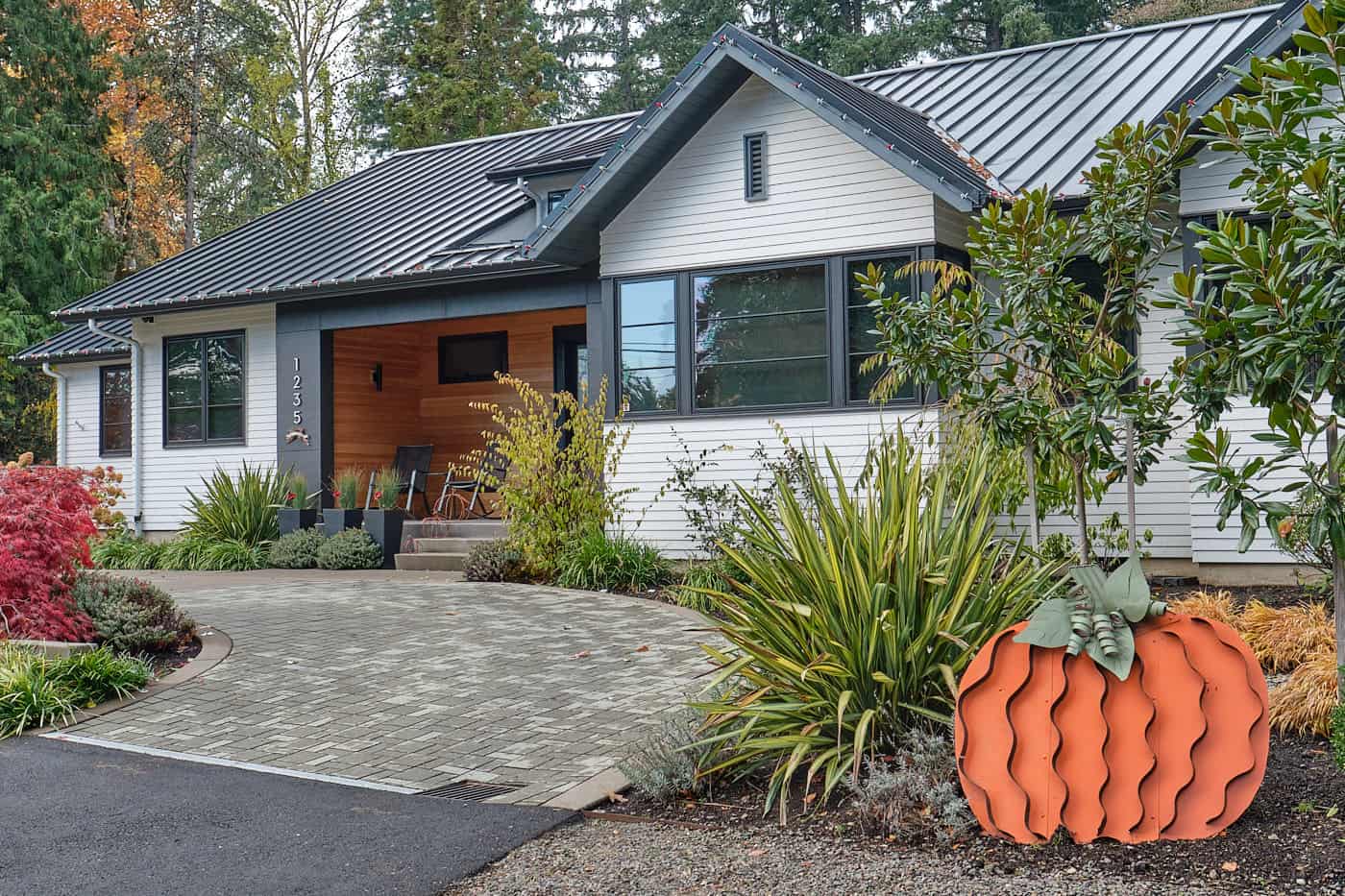
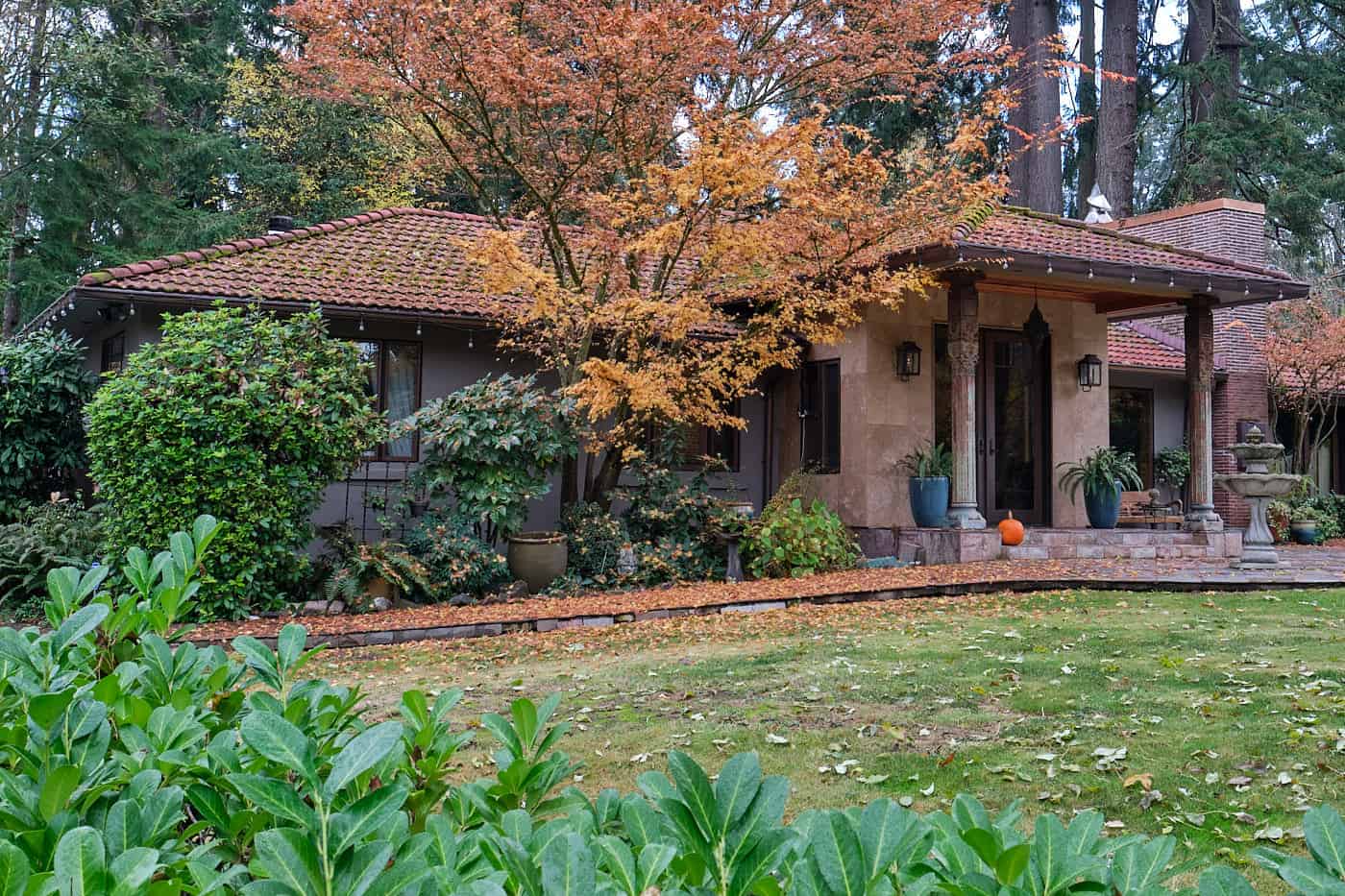
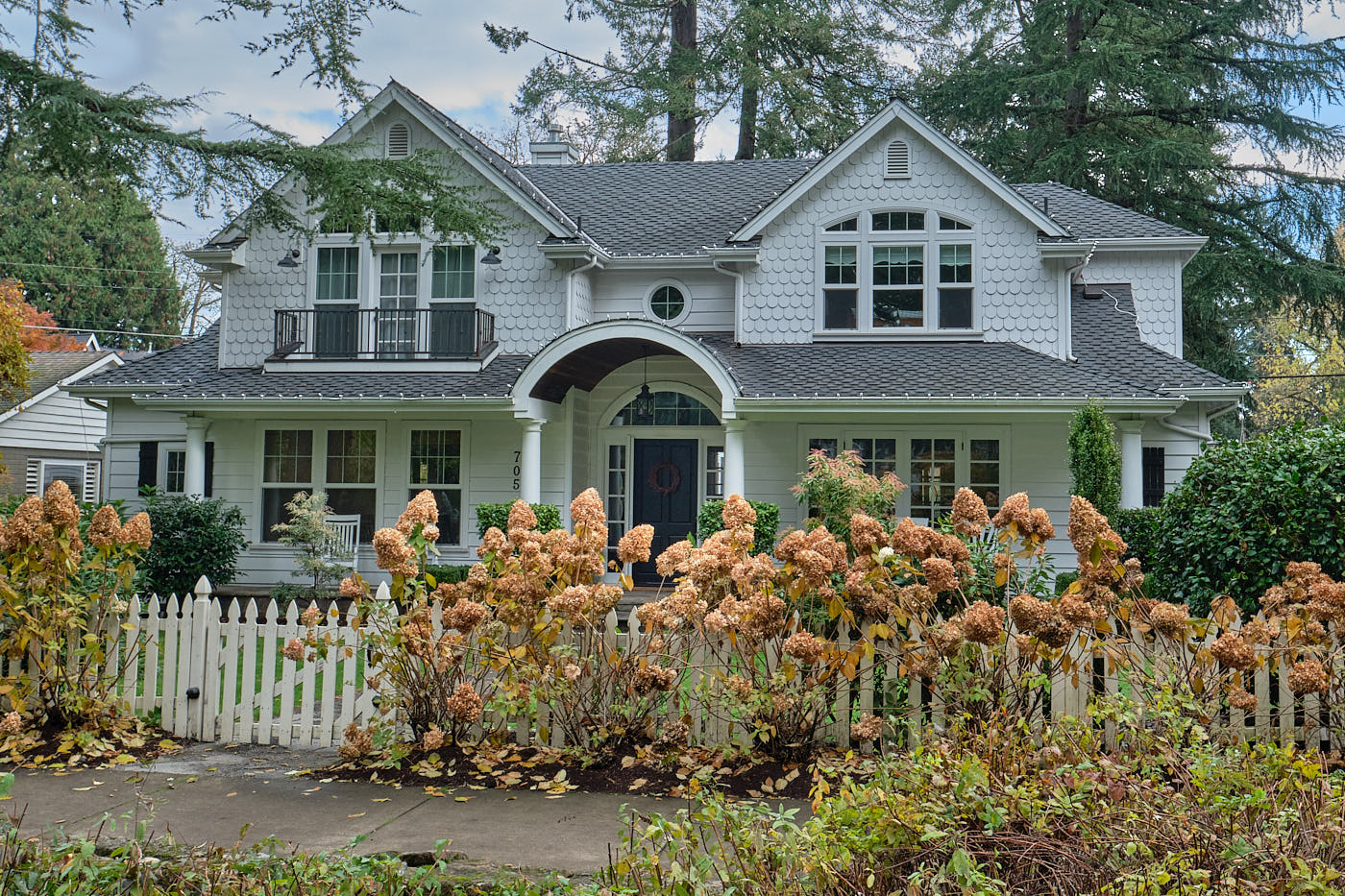
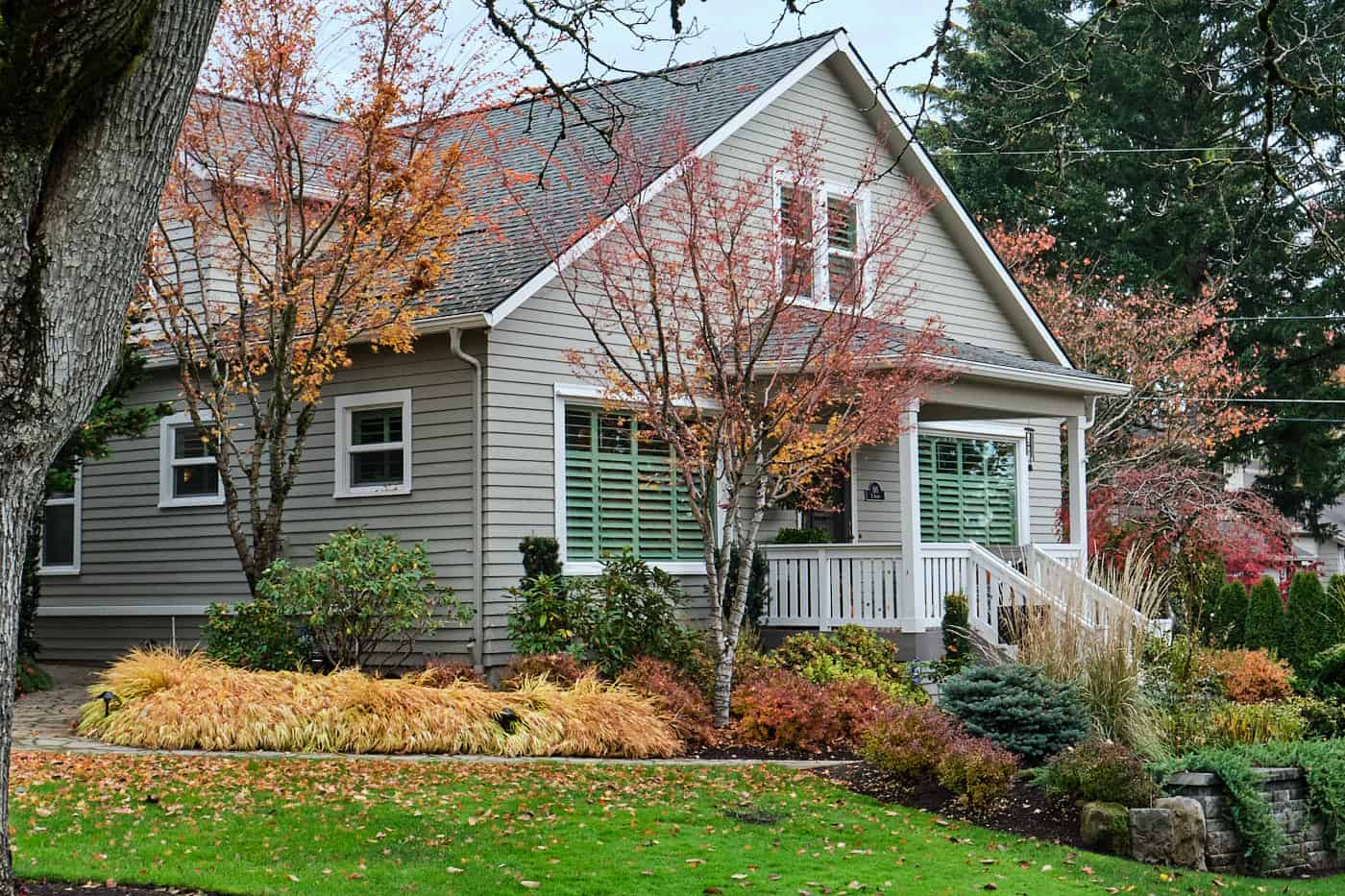
Click the images below to see a photo tour taken in mid-fall in First Addition.