9 Must-Visit Lake Oswego Parks

Rachel Bradley
Principal Broker | Licensed in OR
503-936-3373


Principal Broker | Licensed in OR
503-936-3373

Whether you’re looking for your first home, stepping up to your dream home, or downsizing to a more manageable home – buying a home is a big step for all of us, and it’s easy to feel overwhelmed. Many people shop for a home the same way they buy virtually everything these days … you get online, look at houses, see one that looks good, and click “schedule a showing” to get someone to open the door … right? WRONG! Read on to learn what savvy home buyers know that will help you buy your next home.
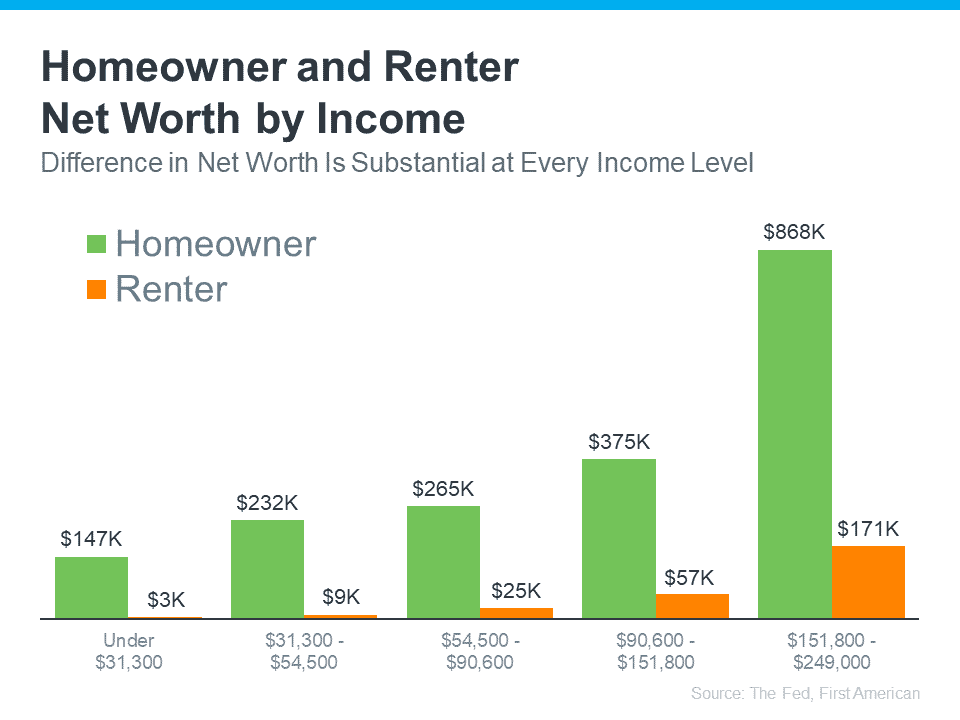
For most of us, our home is our single largest investment, and it will, over time, become our largest financial asset. In the long run, buying a home is a cornerstone of your net worth. The chart below compares the difference in net worth of renters versus homeowners at five different income levels. The difference in net worth is substantial at every level. If you’re a first-time home buyer or a current homeowner needing a larger home, the current market can be challenging. The key to success is to hire an experienced broker who can guide you through the process to help you secure the right home for your situation.
Chances are you’re busy with work, family, life; you name it … the last thing you need to do is get up to speed on contract law, home inspections, and real estate negotiations, and then manage a real estate transaction … right? Doesn’t it make sense to do what savvy buyers do and hire a professional who knows the ropes and will work with you to build a home-buying strategy to get you the right home at the right price?
When you hire a Buyer’s Representative, they represent your goals and financial interests. Their duty is to guide you through the buying process from start to finish. The buyer broker not only helps you find a property but also advises you on its current market value, the strength of the neighborhood, and the long-term growth potential of the property. Remember the listing agent is hired by the seller. They have a fiduciary responsibility to protect the financial interest of the seller. Doesn’t it make sense for you to hire a professional who protects your interests?
Once you find the right home, you need to get it under contract. Your broker completes a market analysis to help you determine a competitive offer price and terms. Based on your instructions, they draft a purchase offer and present your offer to the seller. Then they negotiate with the seller on your behalf and hopefully gain mutual acceptance and go under contract.

Next, the broker helps you navigate the home inspection process. They meet with you and the home inspector during the home inspection. Based on your instructions, they draft the Buyer Repair Addendum and negotiate repairs with the seller. As a buyer, your goal is to make sure there aren’t any dealbreaker issues with the house, and if repairs are needed, determine how much they will cost. If the inspection uncovers major issues with the home, you have three options: accept the home as is, negotiate with the seller to make repairs or adjust the purchase price, or terminate the contract. The Buyer Repair Addendum period is only ten days. This is often the most stressful part of the transaction, and your broker has the experience to help determine the best course of action for you.
The other players on your team are your lender, your insurance agent, your escrow agent, and your home inspector. Your broker acts as the project manager for your transaction and communicates with the other members of the team to keep the process on schedule. The timeline from mutual acceptance to closing is 30 – 45 days (about one and a half months). There always seem to be a couple of bumps in the road along the way, and your realtor’s job is to smooth out those bumps, get the transaction closed, and hand you the keys to your new home.
Now that you have a high-level understanding of a real estate transaction, you can see that there are a lot of steps to be completed and not much time to make the right decisions. That’s why it’s so important to hire your agent first. The best way for you to hire the right agent is through a Buyer Consultation.

The first step in the Buyer Consultation is to review the laws of agency, the purchase and sale agreement, the offer process, the negotiation process, Seller Disclosure Statements, escrow, the home inspection process, broker compensation, closing costs, closing and recording, timelines … in short, you’ll get an overview of all the steps in the home buying process.
A buyer consultation is tailored to help you clarify your wants, goals, and needs. Are you a first-time buyer? Upscaling? Downsizing? Relocating? By discussing your goals and determining your 'must-haves' versus 'would-likes,' we build a strategy that matches your goals.

Next, we look at properties online. Are you looking for a particular style of house? Will a fixer work? Is a fenced yard a must-have? By looking at homes together and getting your feedback, we get a feel for what you like and why. This saves time and reduces frustration. By getting a full understanding of what you’re looking for and why, we can eliminate homes that won’t work. Next, we set up property alerts that align with your must-haves. This ensures that you’ll receive an instant update on your phone when a home that matches your parameters comes on the market.
At the conclusion of the Buyer Consultation, you’ll have a good understanding of the home-buying process, and that knowledge will empower you to make informed decisions without lying awake at night.

Finding your next home in today’s market has its challenges. Mortgage rates have recently dropped significantly and are expected to continue to decline in 2024. Lower rates will bring more buyers into the market, which means more competition and potential bidding wars. Lower rates will also spur homeowners who have been waiting for rates to come down to put their homes on the market and move on with their lives. This means more inventory to choose from in 2024.
If your goal is to become a homeowner in 2024 or 2025, the first step is to reach out and schedule a Buyer Consultation. The process will provide you with essential knowledge and a proven strategy to act quickly, with confidence, when the right home comes to market.
503-936-3373
Buying a home in today's market can be a challenge. Homebuyers must make tough decisions due to the housing shortage and increasing mortgage rates. Waiting for more options may seem like an effective strategy, but is it? This blog post will explain the reasons for the housing shortage and offer solutions to homebuyers' predicaments.
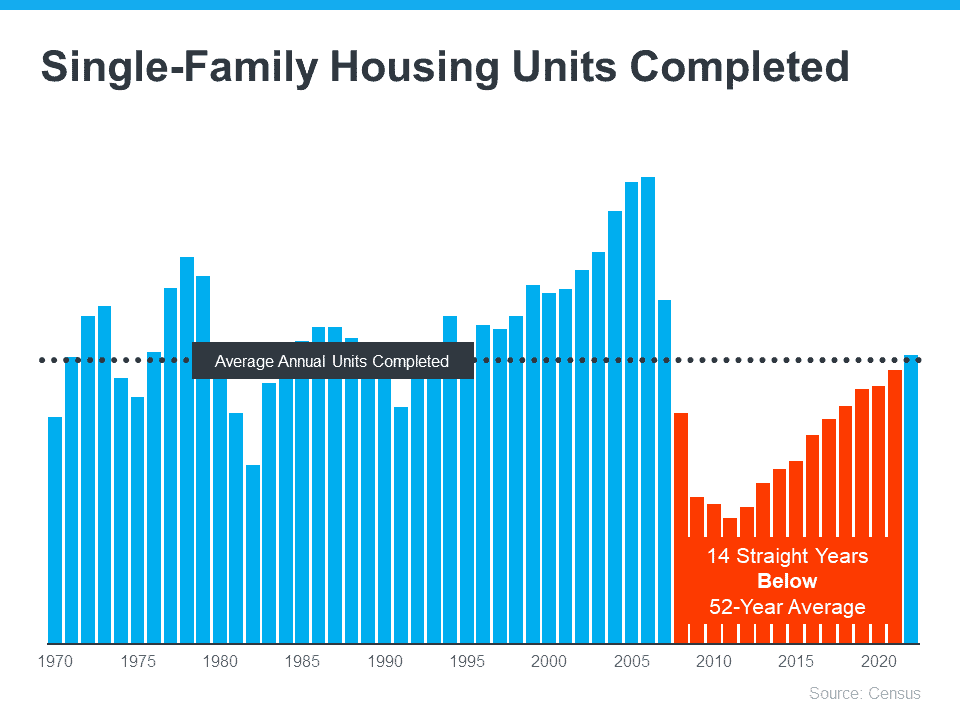
New home construction has stagnated for the past five decades despite population growth. The number of available homes for purchase has not kept pace with housing demand, resulting in a significant shortage. In the last 14 years, the United States has been underbuilding, causing a severe inventory problem. The construction industry is trying to bridge the gap by ramping up new home builds. But building all these homes will take time, and it could be years before the long-term inventory issue gets resolved.
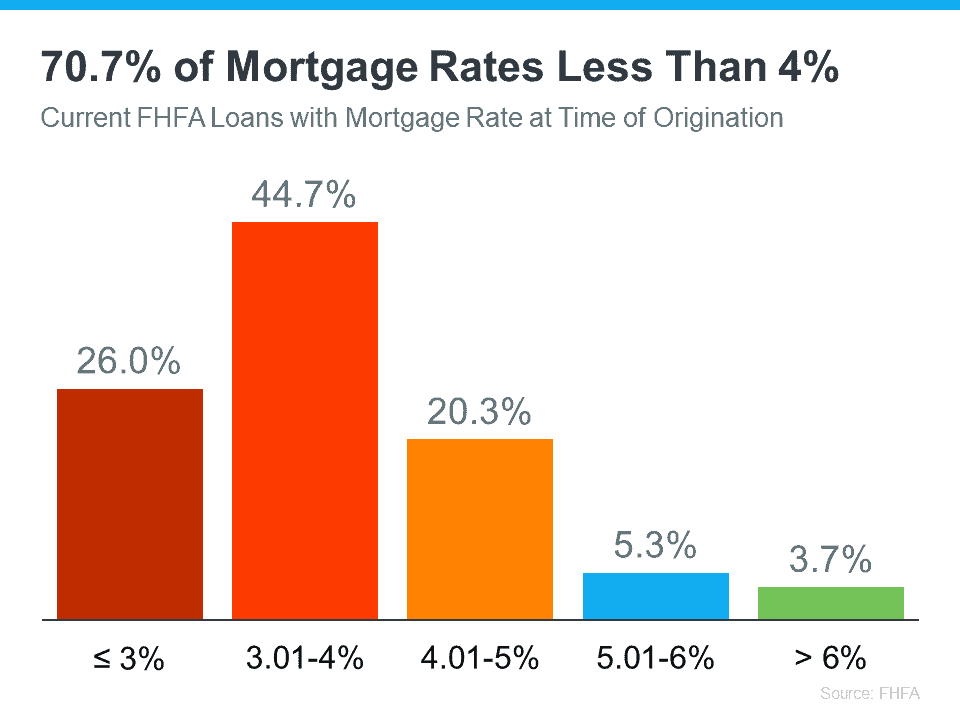
From 2010 through 2022, homeowners could purchase or refinance their homes at historic low rates. Locking in a lower mortgage rate means homeowners who sell their current houses would have to pay a higher rate for a new mortgage on their next home. Thus, many homeowners have held onto their current homes, which reduces the housing inventory of homes for sale in the market. This factors into the housing shortage, making the competition for available homes even more challenging.
Misleading headlines about the current housing market can influence how potential buyers and sellers feel and view the housing market's current state. Often, a lot of sensationalist reporting gets shared on social media and other news outlets. The need for reliable information is crucial. As Jason Lewris, Co-Founder and Chief Data Officer at Parcl, states:
If you’re wondering how today’s low inventory affects you, it depends on if you’re selling or buying a home, or both.
The low supply of homes for sale isn’t a new challenge. There are some long-term and short-term factors leading to the current inventory deficit. If you’re looking to make a move, let’s connect. That way, you’ll have an expert to explain how this impacts you and what’s happening with housing inventory in our area.

With all the uncertainty in the economy right now, many potential home buyers wonder if it’s a smart decision to buy a home now or if it makes more sense to wait a year or two for things to settle down before making a move. If you’re in that position, it’s important to consider not just what’s happening today but to consider the long term benefits that homeownership delivers.
Even with all the historical data that demonstrates how homeownership helps build a homeowner’s net worth over time, some buyers are still unsure what steps to take to build a secure financial future.
In a recent article Bob Broeksmit, President and CEO of the Mortgage Bankers Association (MBA), stated:
“The desire for homeownership is strong. Many prospective buyers are waiting for the volatility in mortgage rates to subside, as well as for a clearer picture of the economic outlook.”
To help you understand just how much owning a home can have a positive impact on your life over the years, take a look at what the data shows. This recent Bloomberg article shows the wealth gap between renters and homeowners who are 65 years and older (see graph below). The difference is substantial, even when incomes are similar.
 If you want to create wealth and set yourself up for success in the future, it may be time to prioritize homeownership. Remember, whether you decide to rent or buy a home, you’ll have a monthly housing expense either way. The question is: are you going to invest in yourself and your future, or will you help someone else (your landlord) increase their wealth?
Before putting your homeownership plans on hold, let’s connect and review your options. It's possible, even in the current market, to purchase an affordable home. The key is to review your current situation and formulate a plan that puts you on the path to homeownership.
Check out our First Time Buyer Guide for more information.



After two years of double-digit appreciation the Portland real estate market has shifted. The dramatic increase in interest rates has slowed sales. The chart below provides a snapshot of the Portland market as of this week.
If you'd like to keep tabs on market conditions in your neighborhood,
click this link to register and we'll send you a weekly update on current market conditions.
It’s difficult to know when is the best time to sell, or how to get the most money for your house, but you don’t need to go through the process alone.
You may be wondering if prices are projected to rise or fall…or how much competition you may be facing in your market. The free eGuide above will answer many of your questions and likely bring up a few things you haven’t even thought about yet.
Uncertain about selling? Many people are hesitant to sell because they are concerned about the selling and buying timeline. They want to be sure their home sells in time to cover expenses for the new home they want to buy and at the same time they want to be sure they don’t sell before they have found their next home. This is a valid concern.

The good news is, it is possible to sell your current home and buy your next home, even in this competitive market. Click the image above to learn more about the SkyBlue Sell-Buy Program.
If you're thinking of making a move or are just curious, click the image below to find all the homes for sale currently on the market.