
Understanding Mortgage Rates and Home Buying Power

Understanding Mortgage Rates and Home Buying Power

By now, you've probably heard the news that the Federal Reserve recently cut interest rates for the first time in four years. But what does this mean for home buyers and sellers? You might be wondering how this impacts mortgage rates, home prices, or your ability to make a move in today’s market. Understanding these changes could be key to making smart real estate decisions. Let's break it down.

A Closer Look at the Fed’s Decision

On September 18, 2024, Fed Chair Jerome Powell announced that "We have in fact begun the cutting cycle now." The Fed started its rate-cutting cycle with a half percentage point (50 basis points) reduction. This decision was expected, and experts believe more cuts could be made before the end of the year.

While the Fed doesn’t directly control mortgage rates, its decisions influence the financial markets. This is why mortgage rates started to drop this summer. Over the past year, we saw mortgage rates as high as 7.79% (October 2023), but they've recently fallen to around 6.20% (September 2024). This could mean better affordability when buying a home or more opportunities if you plan to sell.

shutterstock 704105518

How do Mortgage Rates Impact Purchasing Power?

The recent decline in mortgage rates benefits buyers. Lower mortgage rates mean you can afford more house for the same monthly payment. For example, a 1% drop in mortgage rates can significantly boost your buying power. According to Realtor.com, “a buyer who budgeted to buy the typical home in 2023 now has an extra $70,000 in home purchasing power for the same monthly cost.”

Those sticking to a house at the same price point can see significant month-to-month savings. Mortgage rate shifts have led to $300 monthly savings compared to May 2024 and $340 savings compared to October 2023, assuming a 20% down payment on a typical home purchase. This is a big deal for buyers.

Will Mortgage Rates Continue to Decline?

No one expects mortgage rates to take a nosedive. In fact, after Powell’s press conference, mortgage rates increased slightly—from 6.15% to 6.17%, according to Mortgage News Daily.

Alan Ratner, managing director at Zelman & Associates, explained that the early September rate drop was due to the “mortgage market already pricing in a Fed easing cycle.” He stated, “We’ve seen mortgage rates already pull back roughly 100 basis points from the high, so the Fed simply announcing this week…that shouldn’t have too much of an impact on the mortgage market.”

However, this doesn’t mean rates will go up either. Ratner continued, “Over time, we expect rates to gradually decline as inflation remains tame.”

While there may be some fluctuation in rates, other experts agree that rates will likely continue a downward trend over time. Mark Zandi, chief economist at Moody's, believes that “the 30-year fixed mortgage rate will be closing in on 6.0% by the end of the year and settle in near 5.5% by the end of 2025.”

In addition, Fannie Mae revised its mortgage rate forecast and now expects mortgage rates to decline to 5.7% by the end of 2025.

Will the Lock-In Effect Finally Break?

One of the biggest challenges for the housing market over the past two years has been the “lock-in effect.” Homeowners who secured ultra-low mortgage rates during the pandemic have been reluctant to sell, knowing they’d have to take a new mortgage at a higher rate. But with mortgage rates now trending downward, this effect might start to ease.

Powell noted during the press conference, “As rates come down, people will start to move more, and that is probably beginning to happen already.” This shift could lead to more inventory hitting the market, but Powell was careful to note that this wouldn’t necessarily create a surge in demand. “When that happens, you’ve got a seller, but you’ve also got a new buyer in many cases. So it is not obvious how much additional demand that would make,” he said.

shutterstock 306320714

Will Home Prices Go Up or Down?

The question everyone wants an answer to is whether home prices will rise if more buyers take advantage of lower mortgage rates. Powell addressed this concern, saying, “The housing market, it’s hard to game that out… The real issue with housing is that we have had, and are on track to continue to have, not enough housing.”

In other words, even as nationwide inventory has seen an increase, supply constraints are still a major issue. The supply of homes plays a huge role in determining prices. While more buyers may enter the market if mortgage rates decline, the overall impact on prices will depend on how much inventory is available.

Final Thoughts

The Fed’s recent rate cut is significant for the housing market. While it’s hard to predict exactly how things will unfold, one thing is clear: lower mortgage rates are creating opportunities. If you want to explore local data for your market or understand what today’s mortgage rates mean for you, reach out to schedule a discovery call.

James Bradley - Principal Broker

James Bradley

Principal Broker

Licensed in OR & WA

971-248-3982
Let's Talk

2024 Mortgage Rate Projections: What Buyers and Sellers Need to Know

2024 Mortgage Rate Projections: What Buyers and Sellers Need to Know

Today, we're diving into one of the hottest topics in real estate: 2024 mortgage rate projections. Before we go any further be advised -- no one can accurately predict exactly where mortgage rates will be in the future. That said, whether you're currently a homeowner planning to move in the future or a first-time home buyer, understanding the trends in interest rates is a crucial part of your planning process.  

Here are a few headlines from recent articles with their 2024 mortgage rate projections. 

“The Federal Reserve will cut interest rates 6 times in 2024 as the economy shows clear signs of cooling down, ING says” -- Business Insider – Nov 30, 2023 

“Redfin Predicts 2024 Will Be the Year Homebuyers Catch a Break, With Home Prices Falling and New Listings Rising” - Redfin – Dec 5, 2023 

“Fed holds rates steady, indicates three cuts coming in 2024” - CNBC - Dec 13, 2023 

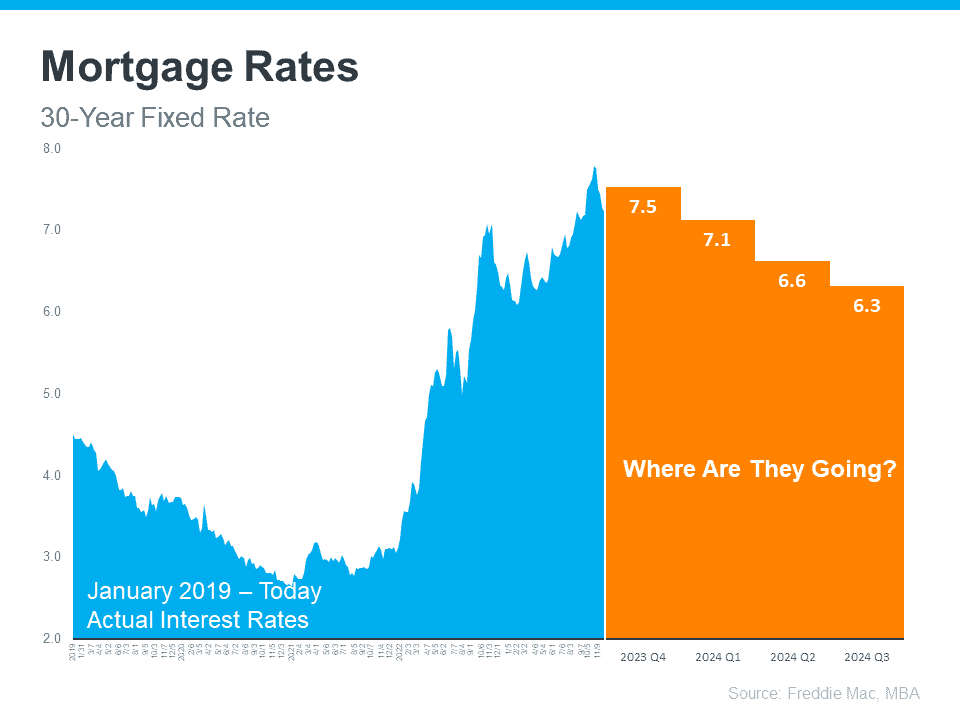
While no one can predict mortgage rates, the consensus is that rates will continue to moderate. The chart below shows the current projection for 2024 mortgage rates from Freddie MAC, MBA.

2024 Mortgage Rate projections

How Will Lower Mortgage Rates Affect First-Time Home Buyers?

The good news: Lower interest rates will reduce your monthly payment and increase your buying power.

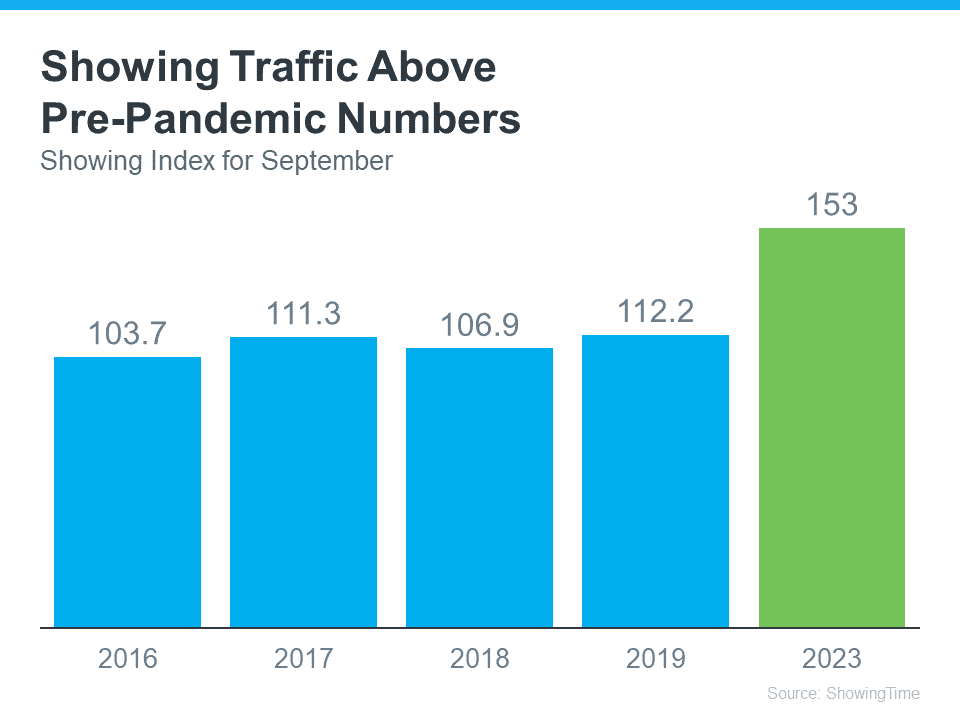
The bad news: Inventory is below normal, and more buyers will enter the market when rates drop. More buyers mean more competition, which increases the likelihood of bidding wars. The chart below shows demand is strong, when rates drop the market will heat up quickly.

The solution: If you're serious about buying a home in 2024, now is the time to start the process. A Buyer Consultation will put you in a strong position to make a move when the time is right. Click here to learn more about a no-obligation Buyer Consultation. 

1December2023 9

How Will Lower Mortgage Rates Affect Current Home Owners?

If you're looking to make a move to a home better suited to your current situation, you'll likely need to sell your current home to buy a new one. The key to making a smooth transition is to start planning early. Reach out to schedule a no-obligation Seller Consultation. The Seller Consultation will provide you with:

  • An assessment of your current home equity
  • A review of your home's condition and what repairs, if any, you’ll want to complete before going on the market.
  • A comprehensive Sell-Buy strategy analysis. 
  • A Buyer Consultation to identify exactly what you want in your next home.
  • A comprehensive marketing strategy to get your home sold at the best possible price and terms.

Where Should I Start

The SkyBlue Portland Real Estate Team is committed to helping you make informed decisions in this ever-evolving real estate landscape. After 18 months of rapid escalation, mortgage rates are beginning to decline. If you plan on moving in 2024, now is the time to build a strategy that will put you in a position to make your real estate dreams a reality. 

To learn more about the Buyer Consultation, see: What's A Buyer Consultation and Why Do You Need One.

To learn strategies to Sell and Buy a home in today's market, see: How to Sell and Buy a Home at the Same Time.

Three Reasons for the Housing Shortage

Three Reasons for the Housing Shortage

Buying a home in today's market can be a challenge. Homebuyers must make tough decisions due to the housing shortage and increasing mortgage rates. Waiting for more options may seem like an effective strategy, but is it? This blog post will explain the reasons for the housing shortage and offer solutions to homebuyers' predicaments.

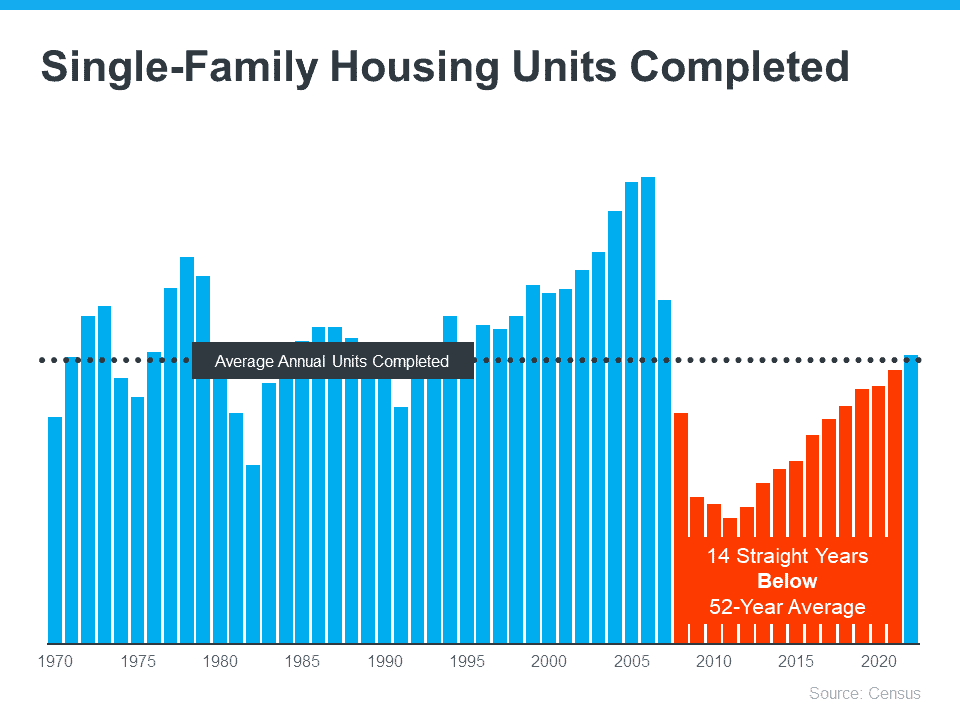
Single Family Homes Construction Chart

Long-Standing Underbuilding

New home construction has stagnated for the past five decades despite population growth. The number of available homes for purchase has not kept pace with housing demand, resulting in a significant shortage. In the last 14 years, the United States has been underbuilding, causing a severe inventory problem. The construction industry is trying to bridge the gap by ramping up new home builds. But building all these homes will take time, and it could be years before the long-term inventory issue gets resolved.

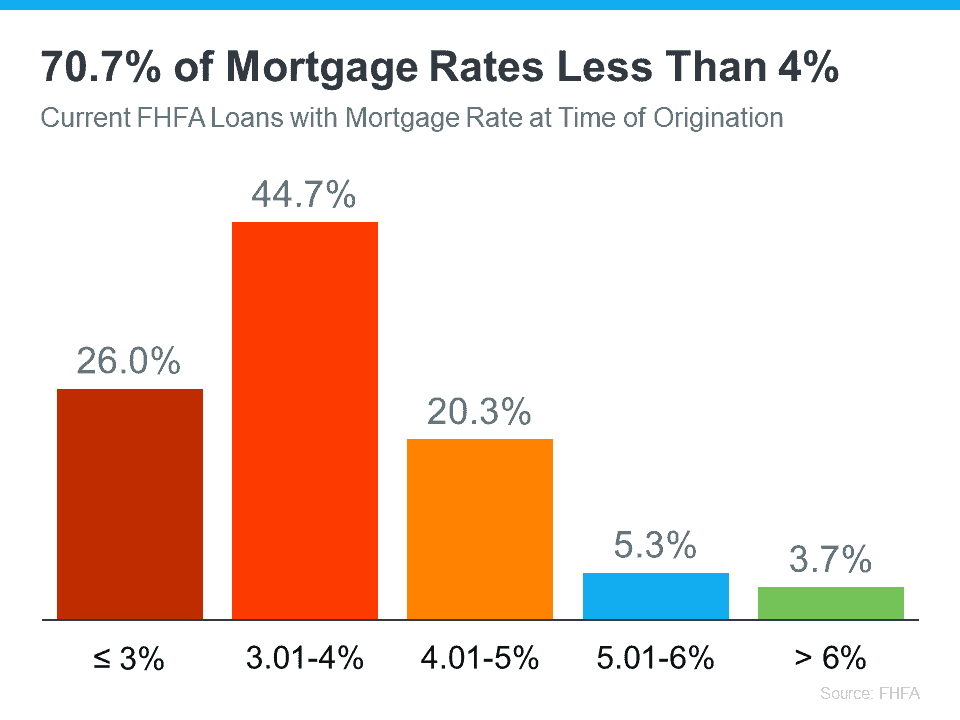
Mortgage Rate Less than 4%

The Mortgage Rate Lock-In Effect

From 2010 through 2022, homeowners could purchase or refinance their homes at historic low rates. Locking in a lower mortgage rate means homeowners who sell their current houses would have to pay a higher rate for a new mortgage on their next home. Thus, many homeowners have held onto their current homes, which reduces the housing inventory of homes for sale in the market. This factors into the housing shortage, making the competition for available homes even more challenging.

Media Misinformation and Its Effects

Misleading headlines about the current housing market can influence how potential buyers and sellers feel and view the housing market's current state. Often, a lot of sensationalist reporting gets shared on social media and other news outlets. The need for reliable information is crucial. As Jason Lewris, Co-Founder and Chief Data Officer at Parcl, states:

"In the absence of trustworthy, up-to-date information, real estate decisions are increasingly being driven by fear, uncertainty, and doubt."


How This Impacts You

If you’re wondering how today’s low inventory affects you, it depends on if you’re selling or buying a home, or both.

  • For buyers: A limited number of homes for sale means you’ll want to seriously consider all of your options, including various areas and housing types. A skilled professional will help you explore what’s available and find the home that best fits your needs. They can even coach you through casting a broader net if you need to expand your search.
  • For sellers: Today’s low inventory offers incredible benefits because your house will stand out. A real estate agent can walk you through why selling with these conditions is especially worthwhile. And since many sellers are also buyers, that agent is also an essential resource to help you stay updated on the latest homes available for sale in your area so you can find your next dream home.

Bottom Line

The low supply of homes for sale isn’t a new challenge. There are some long-term and short-term factors leading to the current inventory deficit. If you’re looking to make a move, let’s connect. That way, you’ll have an expert to explain how this impacts you and what’s happening with housing inventory in our area.